
The role of wellness exams goes far beyond routine checkups; they serve as a foundation for preventive care and long-term health management. Wellness exams provide individuals with the opportunity to monitor their overall health, identify potential risks, and address concerns before they develop into serious conditions. By focusing on prevention, these exams promote healthier lifestyles and encourage proactive decision-making when it comes to physical and mental well-being.
Regular wellness exams allow healthcare providers to create a personalized health plan, which may include screenings, vaccinations, and lifestyle recommendations tailored to each person’s unique needs. They also foster stronger patient-provider relationships, building trust and open communication that supports better health outcomes. When integrated into a consistent healthcare routine, wellness exams not only reduce the risk of chronic illnesses but also contribute to a healthier, more resilient future for individuals and communities. Ultimately, prioritizing wellness exams is an investment in lifelong vitality.
Understanding the Purpose of Wellness Exams
Wellness exams are more than just routine doctor visits; they are an essential part of maintaining long-term health and vitality. The primary purpose of wellness exams is to evaluate an individual’s overall health, identify risk factors, and develop a strategy for preventing future medical issues. Unlike visits that focus on treating illness or addressing symptoms, wellness exams emphasize proactive care, ensuring that potential health concerns are detected before they progress into serious conditions.
During these exams, healthcare providers conduct physical assessments, review medical history, and may recommend screenings or lifestyle adjustments tailored to the patient’s needs. This personalized approach not only helps in detecting early warning signs but also empowers individuals to take charge of their own health.

How Wellness Exams Support Preventive Care
Preventive care is the cornerstone of modern healthcare, and wellness exams play a vital role in this approach. These exams are designed to detect health issues before they become severe, saving individuals from the challenges and expenses associated with advanced illnesses. By regularly attending wellness exams, patients gain access to screenings, vaccinations, and health education that can significantly reduce the likelihood of chronic diseases such as diabetes, heart disease, or hypertension.
Preventive care through wellness exams also emphasizes lifestyle changes, encouraging healthy habits like proper nutrition, regular exercise, and stress management. Moreover, wellness exams enable healthcare providers to create personalized care plans that align with each patient’s unique needs and goals. This proactive approach empowers people to take control of their health and minimize risks.
The Role of Wellness Exams in Early Detection
One of the most significant benefits of wellness exams is their ability to aid in early detection of potential health problems. Many conditions, such as high blood pressure, high cholesterol, or even certain cancers, may develop silently without noticeable symptoms in their early stages. Regular wellness exams provide the opportunity for screenings and evaluations that can uncover these hidden risks before they become serious.
Early detection is crucial because it allows for timely intervention, which can often prevent complications, reduce the severity of diseases, and improve treatment outcomes. By identifying issues early, wellness exams give patients the chance to make informed decisions and adopt healthier lifestyles that can slow or even reverse the progression of certain conditions. This proactive approach not only safeguards physical well-being but also brings peace of mind to individuals and families.
Building Stronger Patient-Provider Relationships Through Wellness Exams
Wellness exams offer more than just physical evaluations; they provide a meaningful opportunity to strengthen the relationship between patients and healthcare providers. These visits create a setting for open communication, where individuals can share concerns, ask questions, and gain a deeper understanding of their health. A strong patient-provider relationship is built on trust, and wellness exams help foster that trust by showing patients that their long-term well-being is a priority.
Over time, these regular check-ins allow providers to understand their patients’ medical histories, lifestyle choices, and unique needs on a deeper level. This familiarity leads to more personalized care and more accurate recommendations. Patients who feel comfortable with their providers are also more likely to follow medical advice, seek help when issues arise, and engage in proactive health behaviors. In this way, wellness exams not only contribute to physical health but also enhance the emotional confidence individuals have in their healthcare journey.
Wellness Exams and Their Impact on Chronic Disease Management
Chronic diseases such as diabetes, hypertension, and heart disease affect millions of people worldwide, often requiring lifelong care and management. Wellness exams play a crucial role in both preventing these conditions and managing them effectively once diagnosed. For individuals at risk, routine wellness exams can identify early warning signs and provide strategies to reduce or delay the onset of chronic illness. For those already living with such conditions, wellness exams allow for regular monitoring, adjustments in treatment plans, and ongoing support from healthcare professionals.
This continuous care ensures that chronic diseases remain under control, reducing the likelihood of complications and hospitalizations. By addressing risk factors, monitoring progress, and emphasizing preventive measures, wellness exams empower patients to take an active role in managing their health. This proactive management not only improves quality of life but also minimizes the financial and emotional burden associated with long-term conditions, making wellness exams an essential tool in chronic care.
Why Consistency Matters in Scheduling Wellness Exams
Consistency is one of the most important aspects of getting the full benefit from wellness exams. Attending a single checkup can provide valuable insights, but scheduling regular wellness exams over time ensures that healthcare providers can track changes in a patient’s health and catch potential problems early. Small changes in blood pressure, cholesterol levels, or weight may not seem alarming at first, but consistent monitoring can reveal trends that indicate an underlying issue.
By committing to regular exams, individuals give themselves the advantage of early detection, ongoing preventive care, and continuous support for healthy living. Consistency also helps build trust between patients and providers, as repeated visits create opportunities for stronger communication and more personalized advice. Beyond individual benefits, consistent wellness exams contribute to healthier communities by reducing the prevalence of preventable illnesses.
The Connection Between Wellness Exams and Mental Well-Being
While physical health often takes center stage, mental well-being is equally important, and wellness exams play a vital role in addressing both. During a wellness exam, providers can screen for signs of stress, anxiety, or depression, which might otherwise go unnoticed. These exams offer individuals a safe space to discuss mental health concerns and gain access to resources that support emotional balance. The connection between physical and mental health is undeniable—stress can contribute to chronic illness, while poor physical health can negatively impact emotional stability.
Wellness exams help bridge this gap by encouraging a holistic approach that considers both body and mind. By promoting healthier lifestyles, reducing risk factors, and addressing emotional well-being, these exams empower individuals to lead more balanced lives. When mental health is prioritized alongside physical health, patients experience greater overall satisfaction, resilience, and vitality, further highlighting the indispensable role of wellness exams in creating a healthier future.
Community Health Benefits of Regular Wellness Exams
Wellness exams do not only benefit individuals; they also have a significant impact on communities as a whole. When more people participate in regular wellness exams, the rates of preventable diseases decrease, leading to healthier populations and reduced strain on healthcare systems. This proactive approach to health can lower healthcare costs, reduce hospital admissions, and allow resources to be directed where they are most needed.
Beyond economics, wellness exams contribute to stronger communities by promoting a culture of health awareness and preventive care. When families and individuals adopt consistent wellness habits, they inspire others to do the same, creating a ripple effect that improves overall well-being. Additionally, wellness exams often include vaccinations and screenings that prevent the spread of contagious diseases, further safeguarding public health.
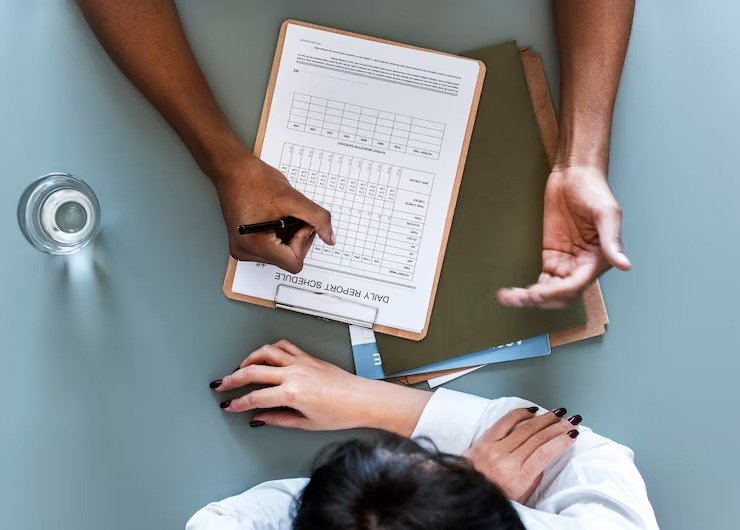
Preparing for a Healthier Future with Routine Wellness Exams
Wellness exams are not just about addressing current health; they are also about preparing for the future. Routine exams help individuals create long-term health plans that include lifestyle guidance, preventive screenings, and early detection strategies. By staying proactive, people can significantly reduce their risk of chronic illnesses and maintain vitality well into later years.
Preparing for a healthier future means acknowledging that small steps taken today can lead to lasting benefits tomorrow. Wellness exams provide the opportunity to align health goals with personalized medical advice, empowering individuals to make informed choices about nutrition, exercise, and stress management. These regular visits also create a sense of accountability, ensuring that people remain committed to their health journey. On a broader scale, prioritizing wellness exams leads to healthier families and stronger communities.
Conclusion
Taking charge of your health today can create a lasting impact on your future, and Integrative Health Group Primary Care is here to guide you every step of the way. Wellness exams are not just about checking off a box; they are about building a foundation for lifelong health and preventing concerns before they grow into larger issues. By choosing regular care, you are investing in a healthier, stronger version of yourself. Our team is committed to providing compassionate, personalized attention that meets your unique needs and supports your journey toward better well-being. Whether you are due for your next checkup or looking to start a proactive healthcare routine, we are ready to help you take that important step forward.
To schedule your wellness exam, contact Integrative Health Group Primary Care today at +1 708-361-6714 or visit us at 13305 S Ridgeland Ave, Palos Heights, IL 60463, United States.